Questions and answers
Can I pour a concrete driveway myself?
You can, but it is harder than it looks. Think of baking a huge cake that sets on a clock. Concrete must be mixed, placed, leveled and finished before it hardens. A driveway also needs a well-prepared base and proper reinforcement. Small patios are more realistic for DIY. Large slabs usually go better with a local provider who has the right tools and helpers.
How do I keep a new concrete slab from cracking?
Cracks start when the ground moves or the slab dries unevenly. Think of a tabletop on wobbly legs. A firm, well-drained base helps, and so do control joints, which give the slab planned places to crack. Proper curing matters too. In areas with deep frost, ask providers how they handle base depth and drainage.
How do I choose a concrete provider?
Ask each provider to explain the steps, not just the price. A good estimate describes base prep, thickness, reinforcement, finishing and cleanup in writing. Compare at least a few. Ask whether they carry insurance and handle permits where needed. Sosmoothgame Concrete is a referral service, so the independent providers in our network do the work. Compare, then decide.
What time of year works well for pouring concrete?
Mild weather is easiest on fresh concrete. Think of bread dough, which behaves badly when it is too hot or too cold. Freezing nights can damage a new pour, and extreme heat can make it dry too fast. Many providers book up in warm months, so asking early about scheduling can give you more choices.
Why does the ground under concrete matter so much?
Concrete is strong when squeezed but weak when it bends. If the soil under it settles, washes out or heaves with frost, the slab can crack or tilt. That is why we say, ground first, concrete second. A compacted gravel base and good drainage away from the house protect the slab and your home.
How thick should a concrete driveway be?
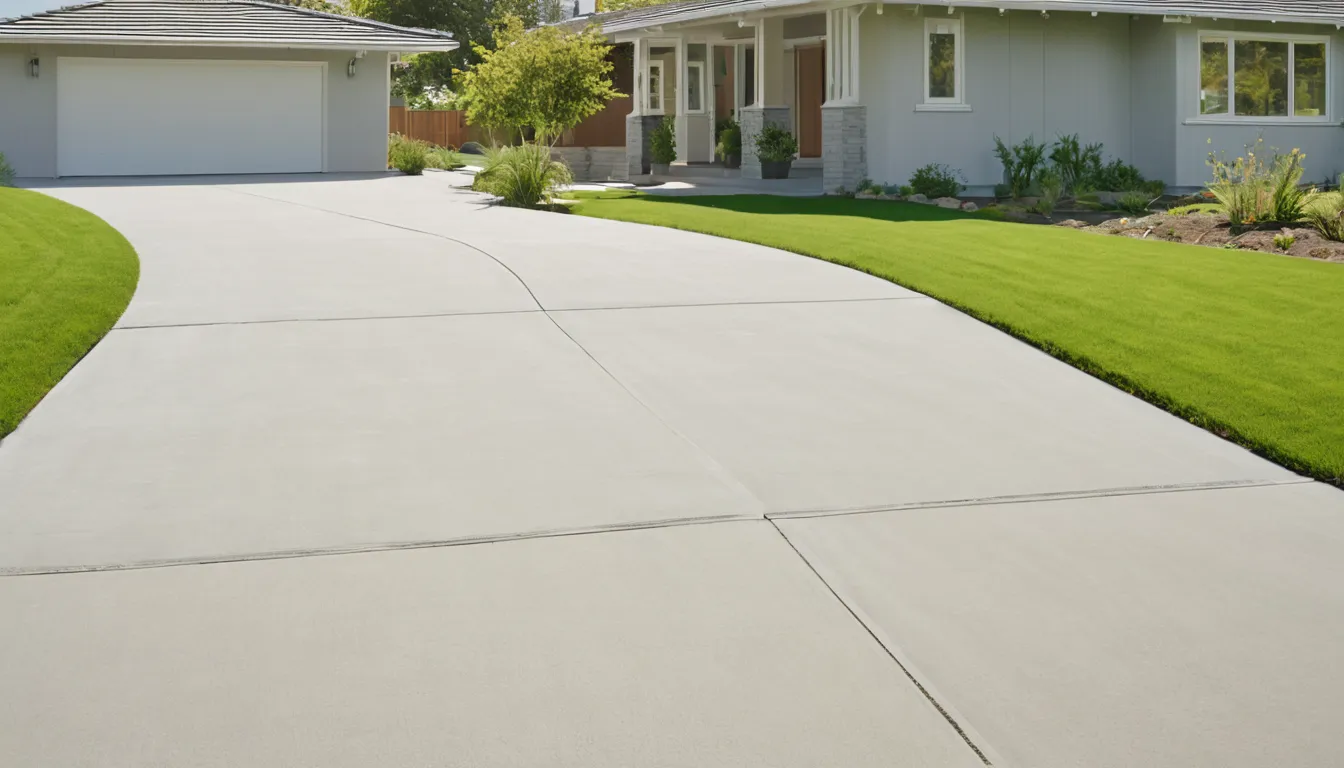
Many residential driveways are poured around four inches thick. Heavier vehicles or weak soil may call for more. Reinforcement like rebar or wire mesh can add strength. The right choice depends on your site, so ask each provider why they recommend their thickness, and get the details in a written quote.
How much does a new concrete driveway or patio cost?
Typical U.S. prices vary a lot by size, site access, finish and local conditions. Plain slabs usually cost less per square foot than stamped or colored work. Prices change by job and region, so treat any range as a rough guide. Request written estimates from a few providers and compare what each one includes.
Is stamped concrete a good choice for a patio?
Stamped concrete presses patterns into the surface so it can look like stone, brick or wood. It can add curb appeal and support your home's value when done well. It also needs sealing every few years to protect color and surface. Ask providers to show past stamped patios and explain their sealing advice before you decide.